WHAT DO WE DO?
We work to empower rural Atlantic Canadian communities to strengthen their local agency for the future. We bring together years of experience facilitating collaborations, gatherings, research, and education to support the economic growth, environmental sustainability, cultural diversity, and local governance of our rural communities.
We believe that re-localization and community wealth building are tools to create more resilient communities that can weather our current and future challenges including the climate crisis, socioeconomic inequality, and threats to local democracy.
Here is what we think:
In our Blog + News we release statements on key policies happening at the national and regional level and how they impact our local communities and economies.
-
Bolder Ambitions, Deeper Roots: What Should Atlantic Canada Actually Be Trying to Grow?
A Community Wealth Building analysis of the Atlantic Economic Panel’s new report Bolder Ambitions: Greater Prosperity for All. October 21, 2026 Andy Horsnell, Executive Director of the Centre for Local Prosperity The Atlantic Economic Panel’s new report, Bolder Ambitions: Greater Prosperity for All, makes a pretty straightforward case: Atlantic Canada needs more. More investment. More…
Subtitle for This Block
Title for This Block
Text for This Block
-
an economy that serves community wellbeing
Tatamagouche and the practice of regenerative economics October 14, 2026 Gillian Kerr, Board of Directors, CLP Local Prosperity 2026 offers a starting point for aligning how we live, work and govern with the health of people, communities and the living world. What is an economy for? The answer becomes tangible when people gather around food,…
Subtitle for This Block
Title for This Block
Text for This Block
-
The Choices Nova Scotia’s New “Build Your Own Budget” Tool Won’t Let Us Make
September 30, 2026 Justin Cantafio, Director of Policy Nova Scotia’s recent “Build Your Own Budget” tool invites residents to help shape the next provincial budget. The invitation is a welcome opportunity for consultation, and the tool offers useful information about revenues, expenses, and departmental spending. It also acknowledges that deficits aren’t automatically irresponsible and that…
Subtitle for This Block
Title for This Block
Text for This Block
Why Rural Communities?
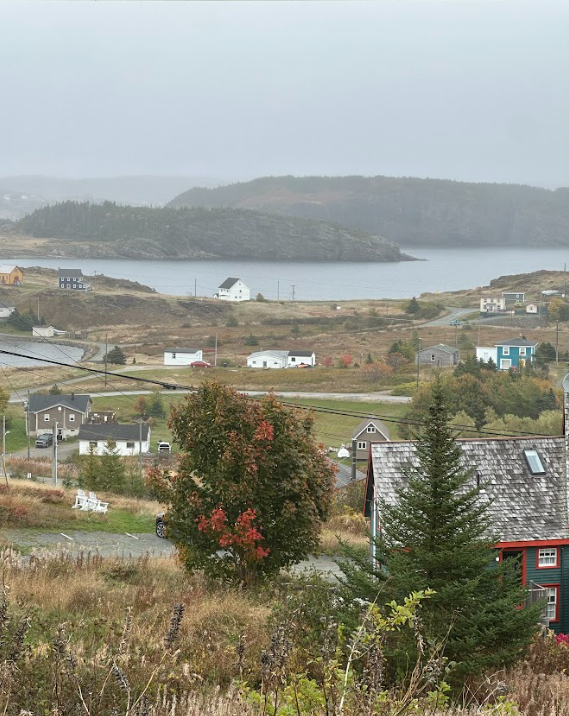
Rural communities make up the fabric of Atlantic provinces, and our work centers the specific and urgent reality that rural communities face today.
The Centre for Local Prosperity recognizes that we are in the midst of an ongoing collapse of interconnected systems, which necessitates transformative approaches to address root causes. The world is changing at an unprecedented pace, leaving individuals and communities with a sense of uncertainty. At CLP, we have seen how these large system crises are impacting rural communities and economies.
Over the past decades, rural communities have been hollowed-out; loss of employment, closure of local businesses, landscapes disrupted by industry, and youth migration have all impacted these communities. Rural communities are facing an affordability crisis, as concentrated ownership, attacks on labour, the climate crisis, and racial and economic injustice ramp up. We are seeing our key food, energy, and housing systems being consolidated by for-profit corporations. Many people are losing faith in democratic institutions, and we are becoming increasingly isolated from each other and promising local initiatives often lack the time and resources to thrive. We are left grappling with the questions of how to respond to this rapidly changing world? How can we strengthen our local agency and our social, economic, and ecological resilience?
Key Approach:
Community Wealth Building
Community Wealth Building is an approach to building local wealth that aims to ensure communities have control and ownership over their futures.
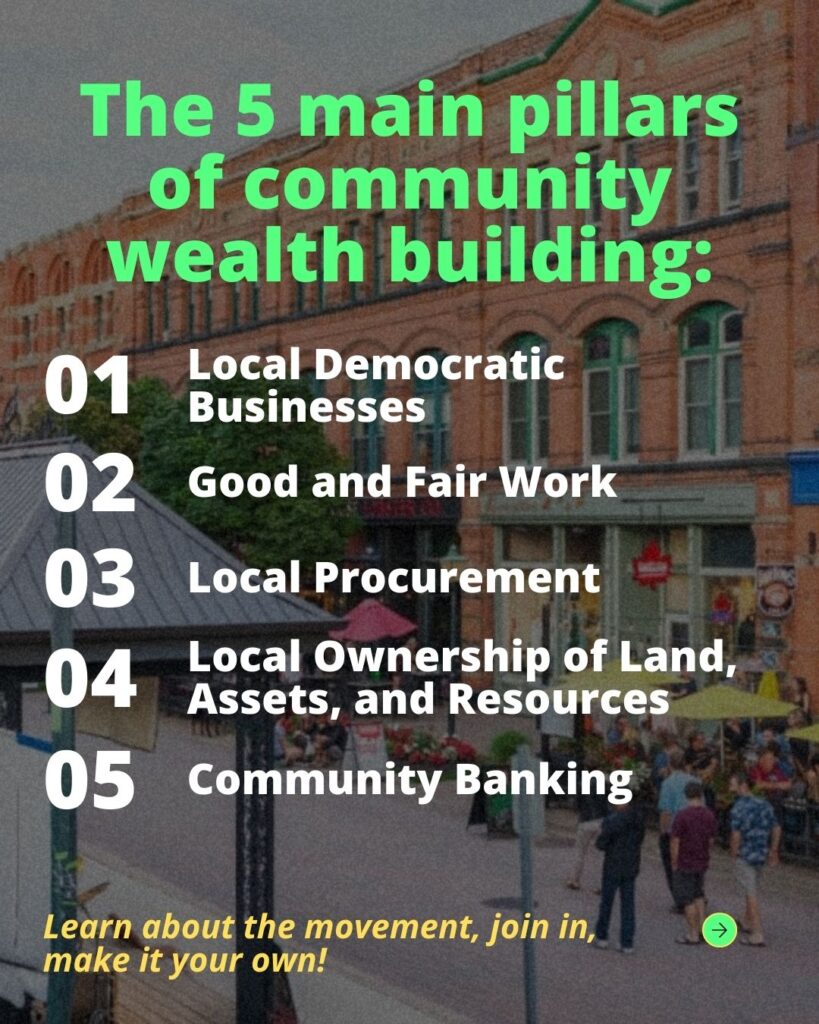
There are 5 main pillars of Community Wealth Building
01 Local Democratic Businesses
02 Good and Fair Work
03 Local Procurement
04 Local Ownership of Land, Assets, and Resources
05 Locally Rooted Finance
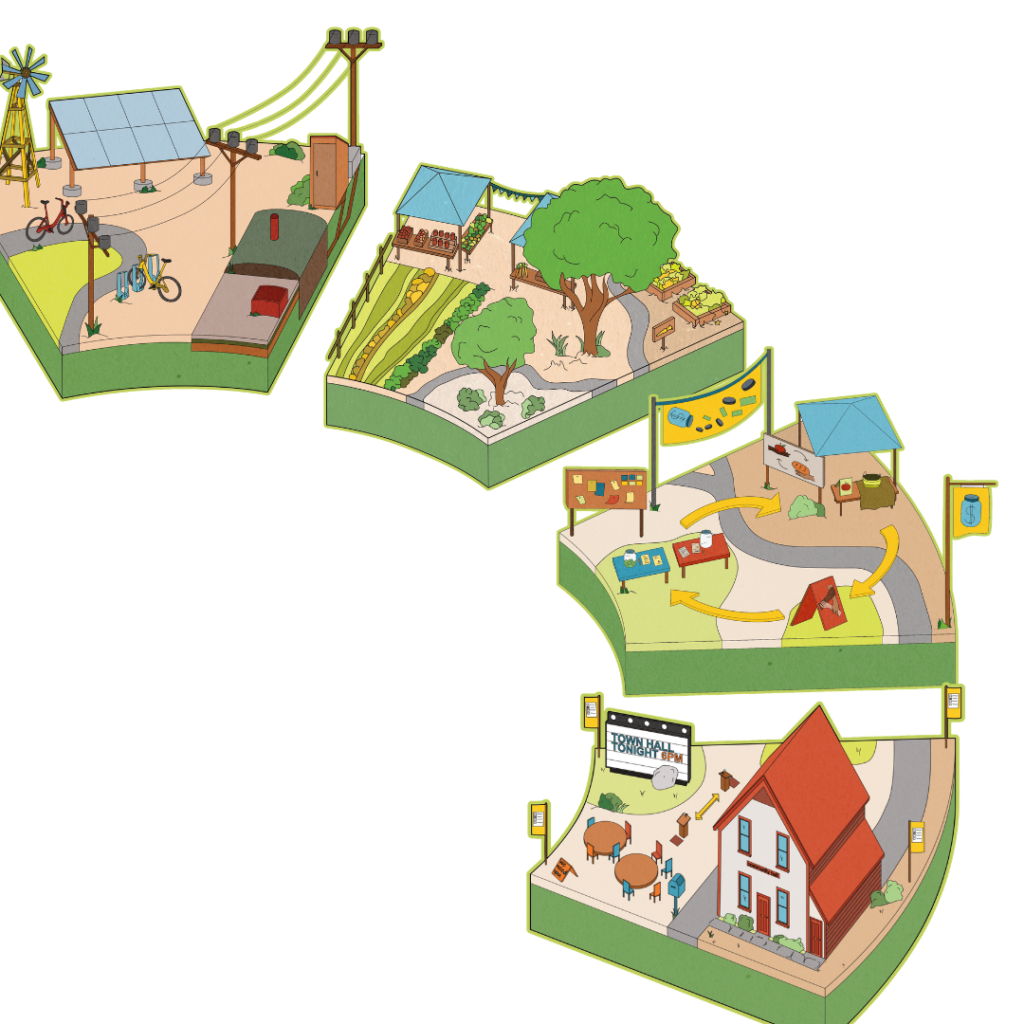
Community Wealth Building can be said to happen across 5 key sectors. There are areas that have to remain local, and so are important Care economy, Food systems and fisheries, Cultural production, Housing and construction, and Enabling infrastructure
Read more from organizations we like:
Key Approach:
Relocalization
Relocalization is another term we often use at CLP. Relocalization is when we keep money circulating in our local communities. It is made up of small community-led initiatives led by real people.
Worker co-operatives, community radio stations, tool libraries, community land trusts, credit unions. These are example of relocalization that have found a place in communities across Atlantic Canada. These community-led approaches help to keep our skills, knowledge, and wealth grounded in the place we call home.
Relocalization is possible across a range of areas: Food, Energy, Finance, Governance, Education, Business, Wellbeing, Media, Sustainable Consumption, Housing
Read more from organizations we like:
Follow us On Social Media

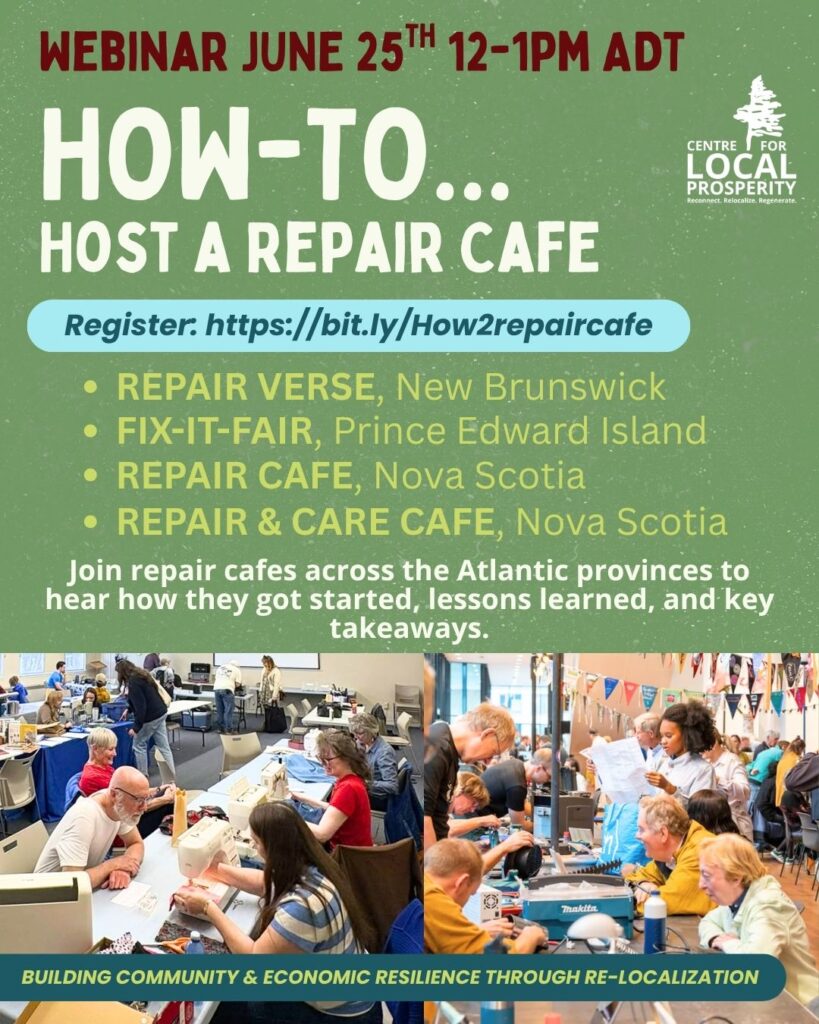
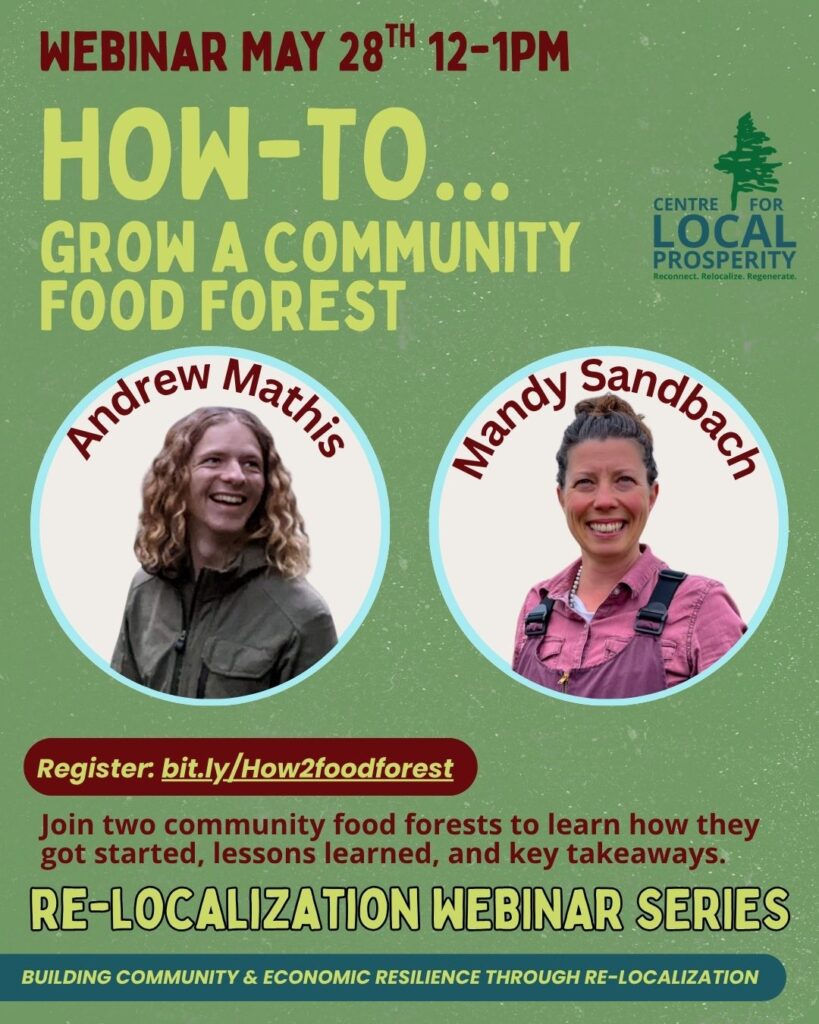
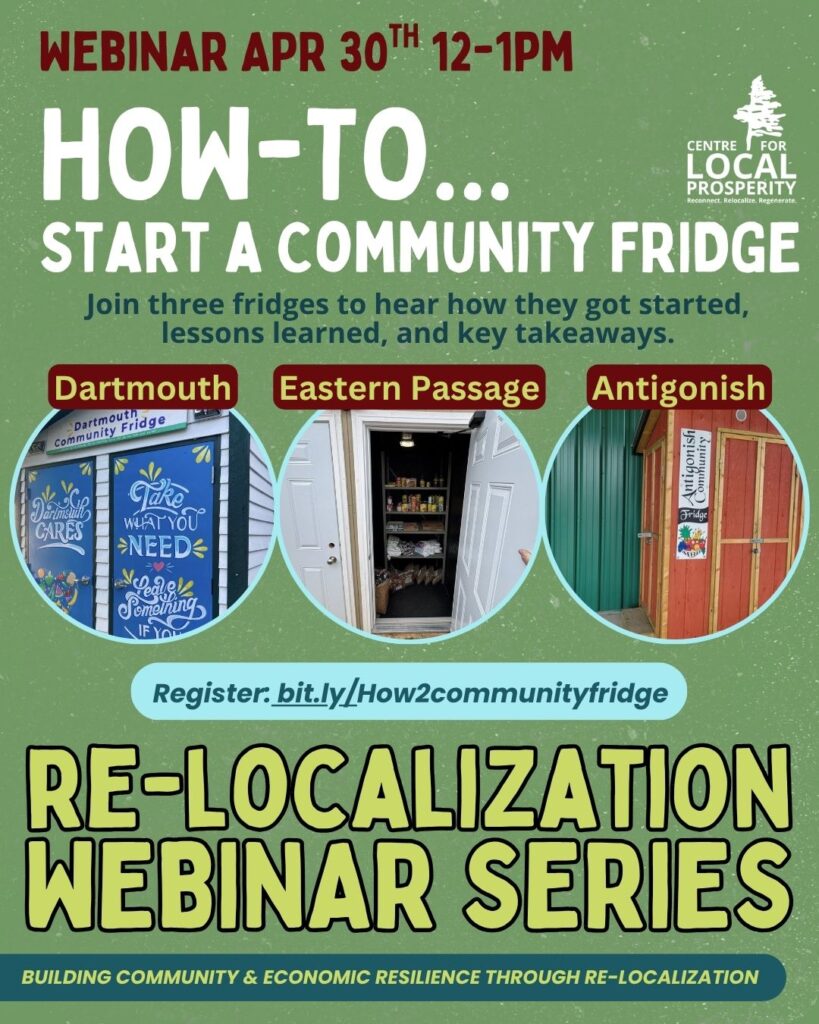
webinar series
Building Community and Economic Resilience Through Relocalization
Our Projects


get involved & take action
01.
LEARN
Explore our resource library to learn more about key concepts including localization, climate change, and more.
02.
CONNECT
Get involved in our projects, build knowledge, and see change in your communities.
03.
DONATE
Your donation will help us accelerate the transition to more resilient local economies in Atlantic Canada and beyond.