
education
We breakdown complex systems and ideas into easy to access terminology and toolkits so that changemakers in the re-localization movement can stay informed and resourced! We do this by sharing reports, highlighting local projects, developing toolkits, and providing graphic summaries for thinkers to use.

must listen!
A list of must-listen to podcasts and interviews that will help sharpen your localization lens and spark your passion for community wealth building.
Coming Soon!

Toolkits
Check out our toolkits that give you how-to guides, examples of projects, and step-by-step guides to re-localizing community.
HOW TO START A COMMUNITY GARDEN!

Must Read!
Check out our toolkits that give you how-to guides, examples of projects, and step-by-step guides to re-localizing community.
Here we highlight recent reports from organizations who are doing incredible work to build our local economies. These reports are free to read at the following links.
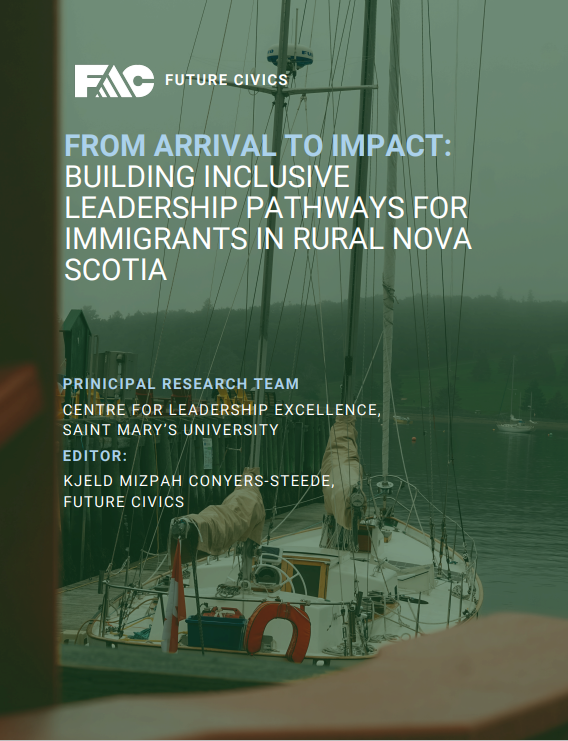
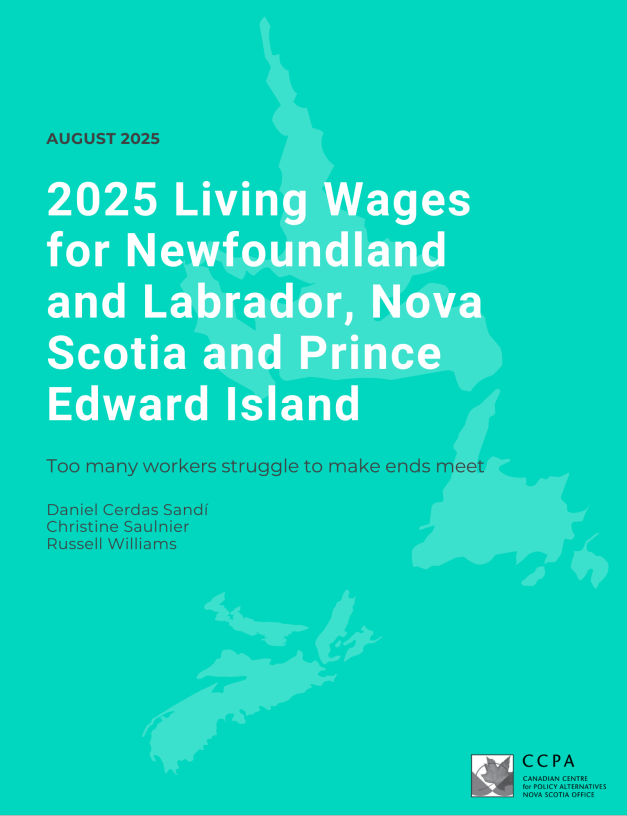
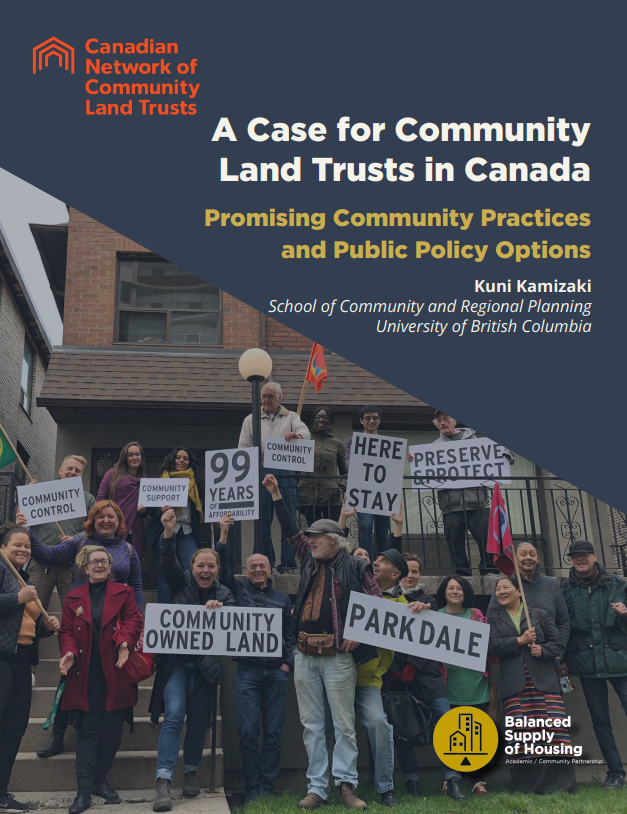
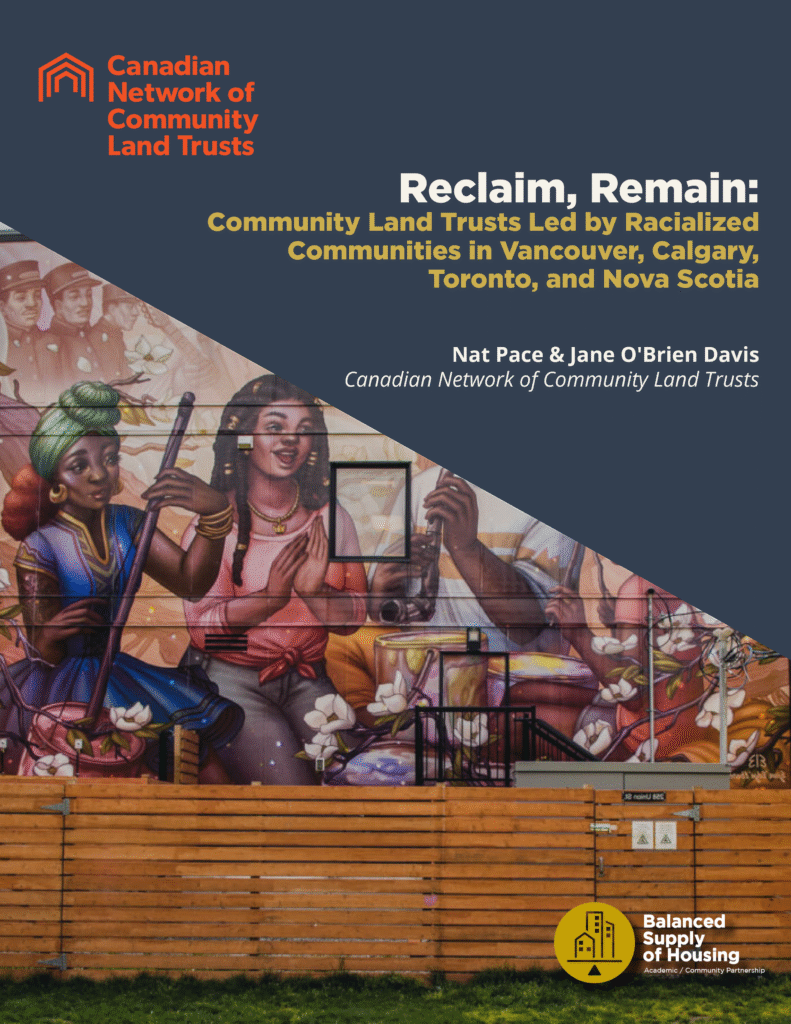
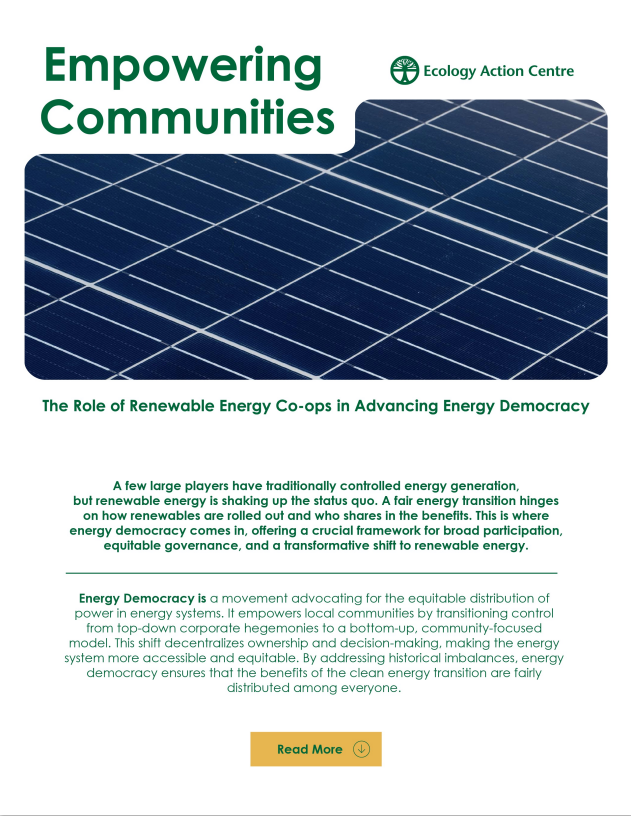
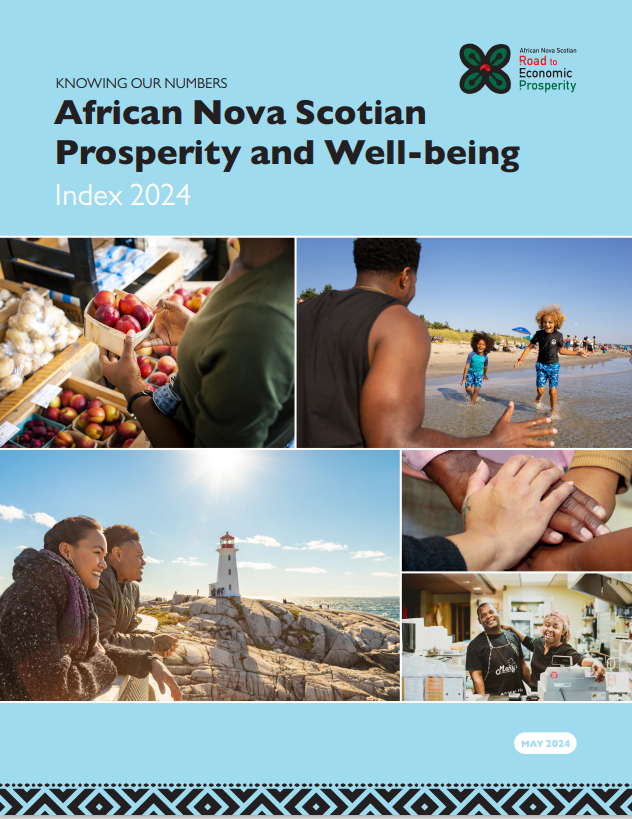
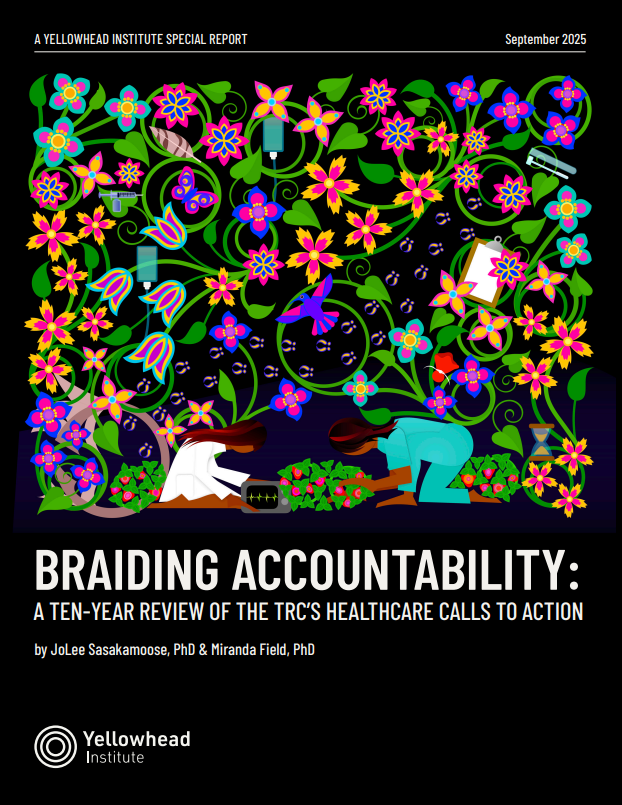
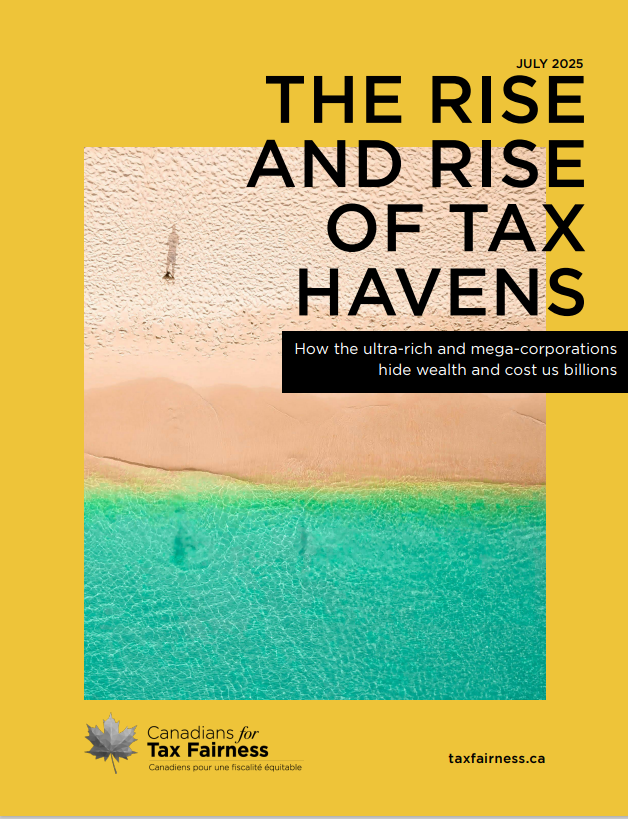
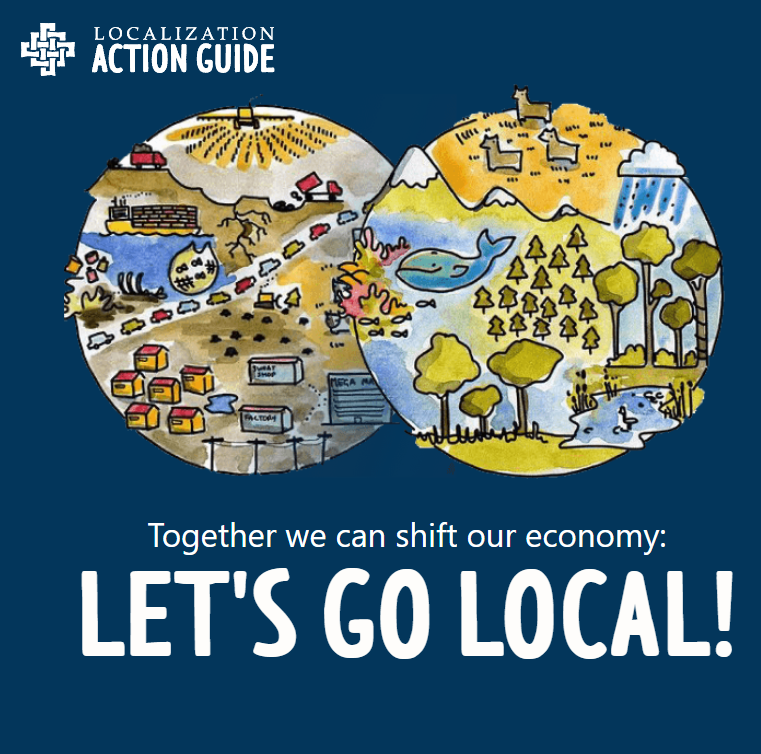
Whether, you are part of an organization, a municipal councilor, or a concerned community member, these reports are an important part of your toolkit.
- Help in your grant writing: You may include the information and research in the grant proposals you are writing to support your initiatives. Maybe you are looking to make a case for how food security is connected to Indigenous sovereignty. Or perhaps you want the language to explain why alternative housing models can build community wealth in rural areas.
- Support your letter writing: You could use key takeaways from the report to bolster your letter writing to your local representatives. Are you seeking to explain why transportation is a key factor in creating affordable communities, look to the living wage calculations from the Canadian Centre for Policy Alternatives. Or look for the African Nova Scotian Prosperity and Well-Being Index to reference a range of social and economic indicators for people of African descent in Nova Scotia.
- Practice Communicating about Important Issues: You might simple read these reports to practice speaking about issues important to you within your communities.
Glossary
Giving clear accessible definitions to terminology so that everyone can participate in this movement!
Re-localization is when we prioritize life at the local scale. Imagine if our food was grown locally, our community owned its energy, we often participated in direct democracy, and community financing was common and accessible!
We re-localize through small tangible actions, such as shopping at a farmers market. It also includes larger system advocacy, such as creating local procurement policies.
Re-localizing means we are building a future for our small local communities.
Community wealth building is a term, a tool, and a tactic. Community wealth building ensures is an approach that believes local communities have a better quality of life when they have direct ownership and control of their assets
Community land trusts (CLTs), worker cooperatives, and local procurement, are examples of how we can keep our resources and wealth in our community.
There are 5 pillars/wedges of Community Wealth Building. Each of these pillars or wedges help to crack an opening in “business as usual” to imagine new ways of connecting.
Local prosperity is when our communities are healthy, resourced, informed, and engaged. It’s when local businesses thrive, we know our farmers, elders age in place, and our children see themselves in the future.
Local Prosperity means something different for each person who defines it! It is not a static outcome, but an ever-changing and always evolving vision we have for ourselves and our communities.
Local procurement is when public institutions (e.g., hospitals, schools, universities) choose local suppliers when purchasing goods and services.
When even a small percentage of the budget is committed to local, it has big impacts!

Podcasts
Check out our podcasts to learn about localization and how local communities
Future Proofing podcast brings timely interviews by host Robert Cervelli, and occasional guest co-hosts, with international thinkers and doers. Critical topics include re-localizing economies, food and energy security, skills building, community climate change adaptation, building community cohesion and cooperation, stewardship of natural resources and the positive narratives from communities taking charge of their future.









Whether, you are part of an organization, a municipal councilor, or a concerned community member, these reports are an important part of your toolkit.

Webinars
Check out our webinar series and learn from community organizers about building community and economic resilience through re-localization.
This series will be held on the last Thursday of each month and will explore examples of re-localization across Atlantic Canada.
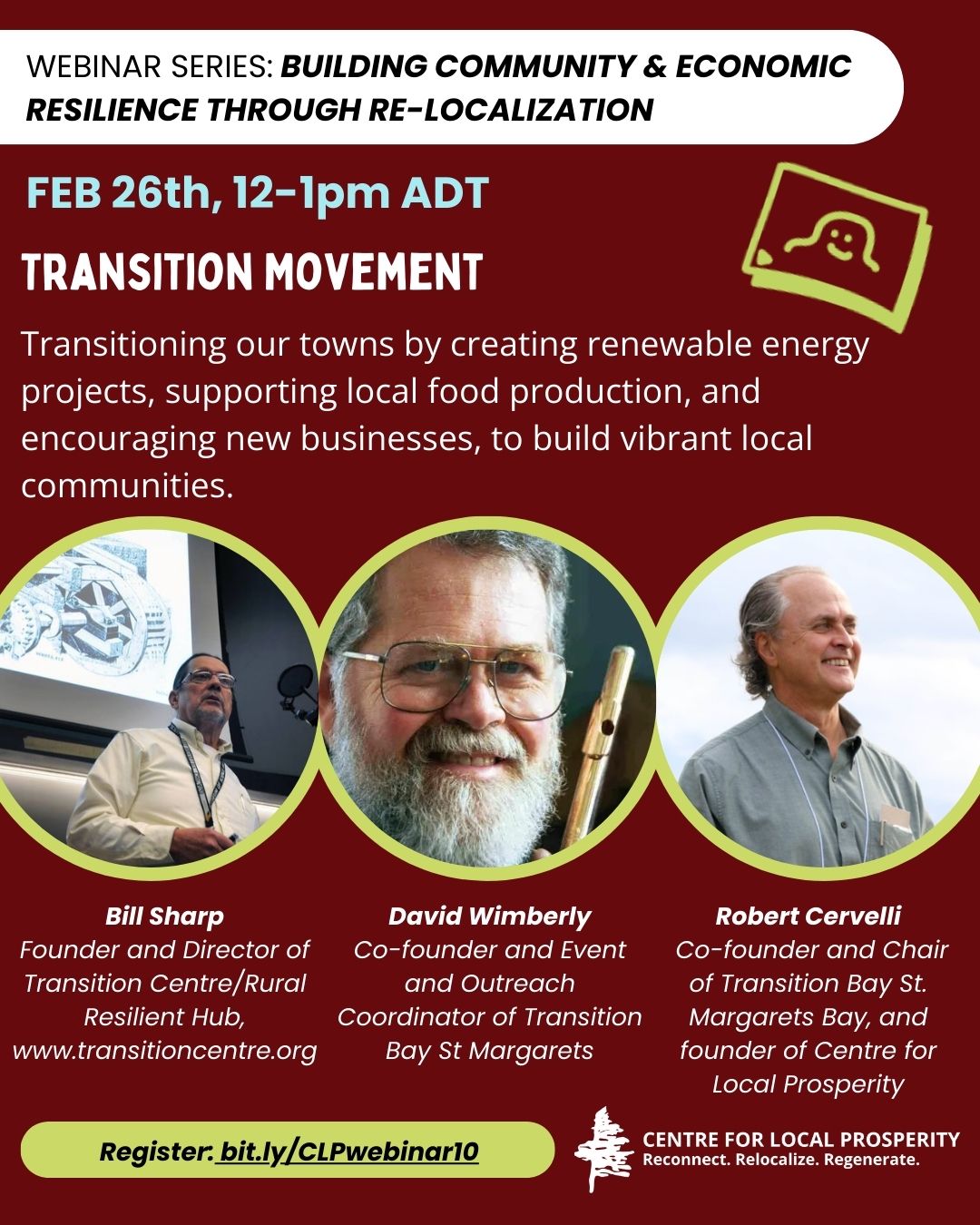
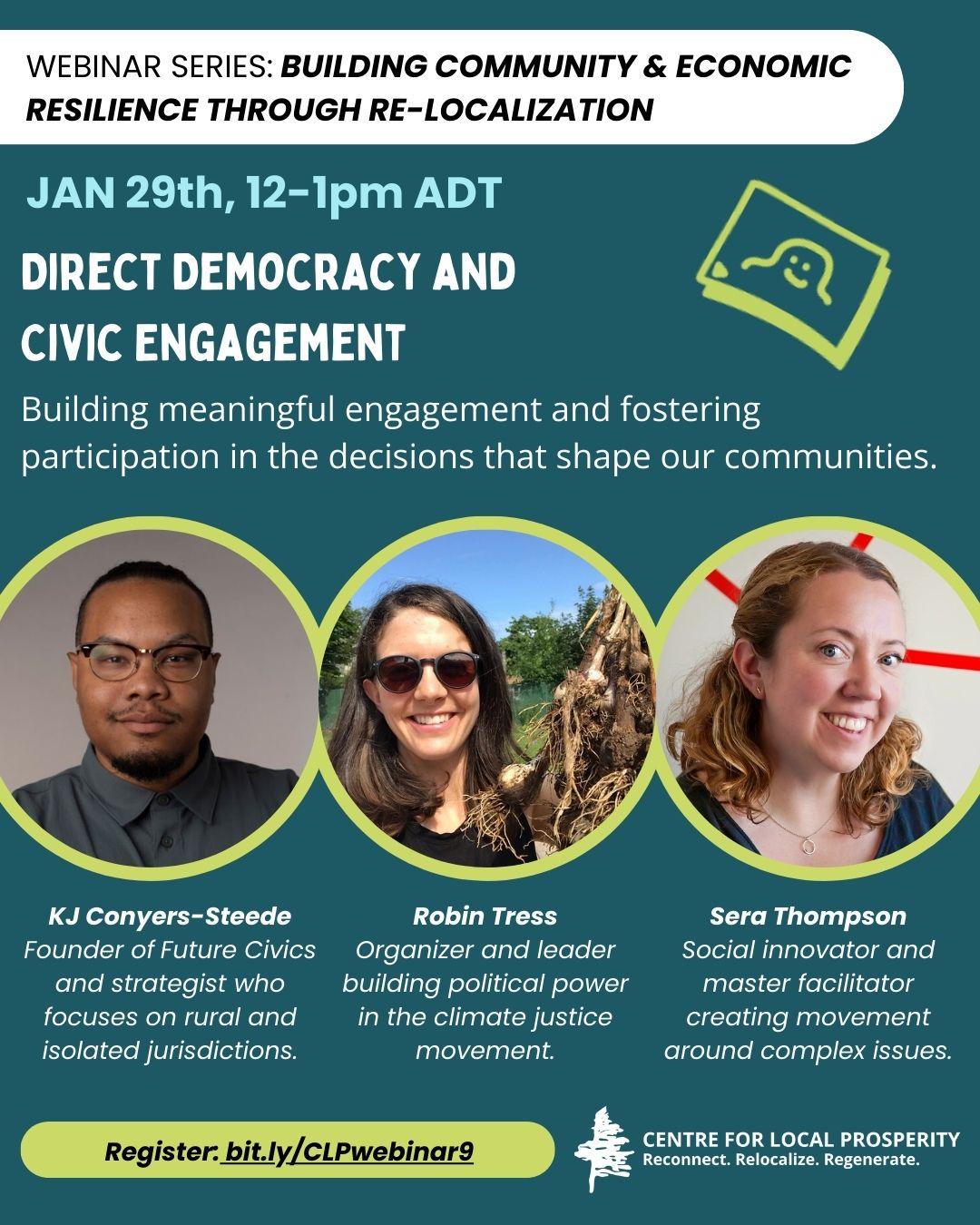
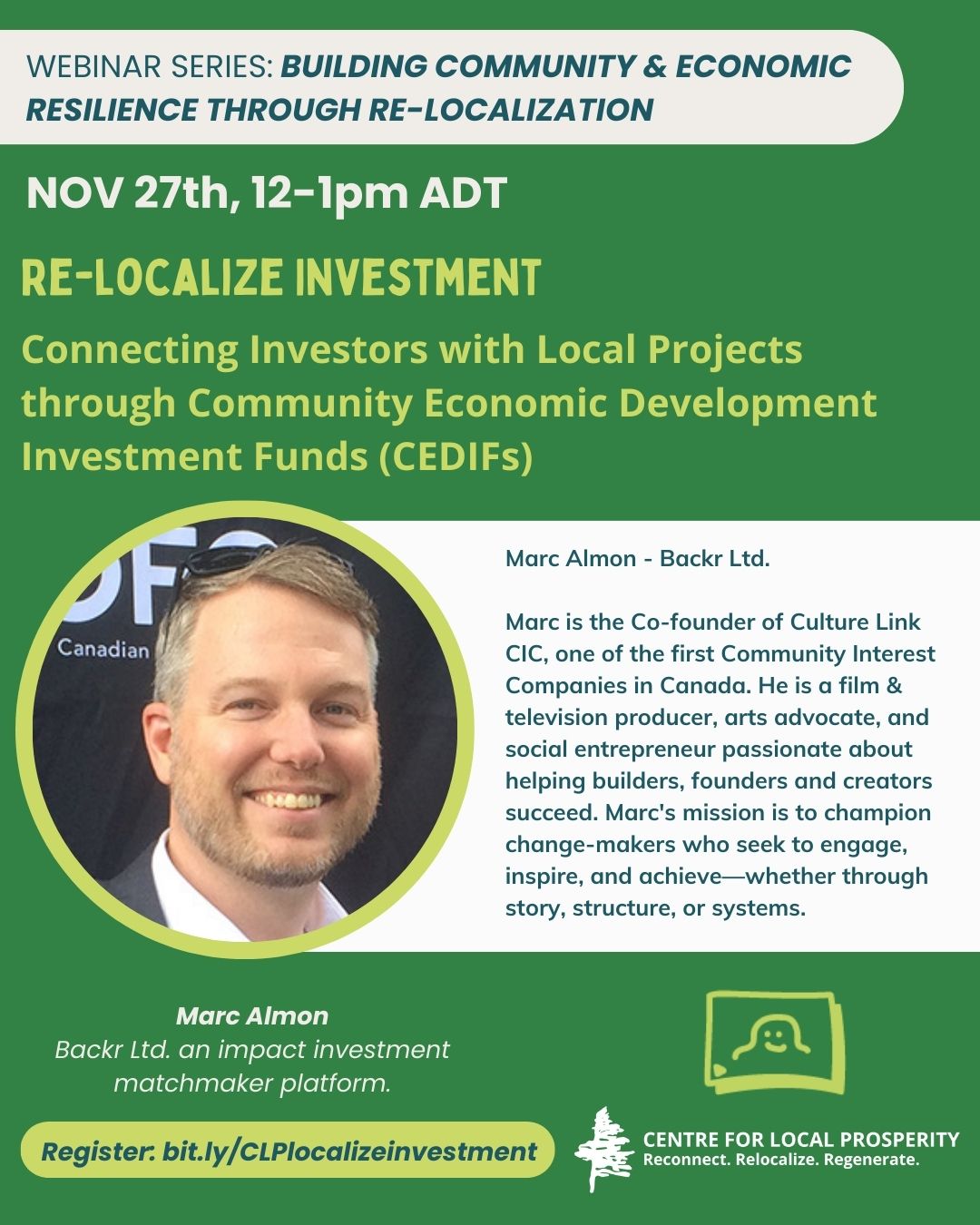
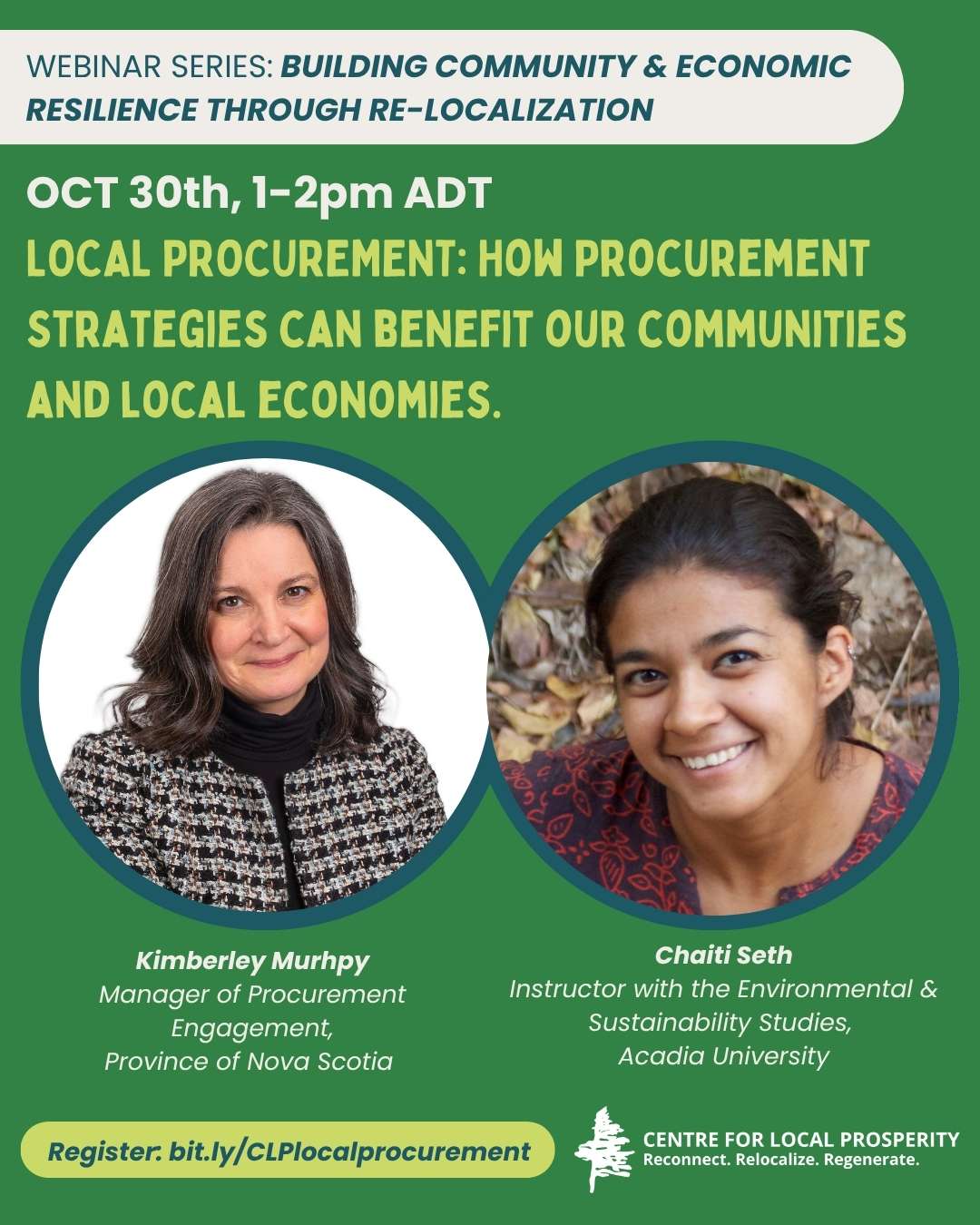
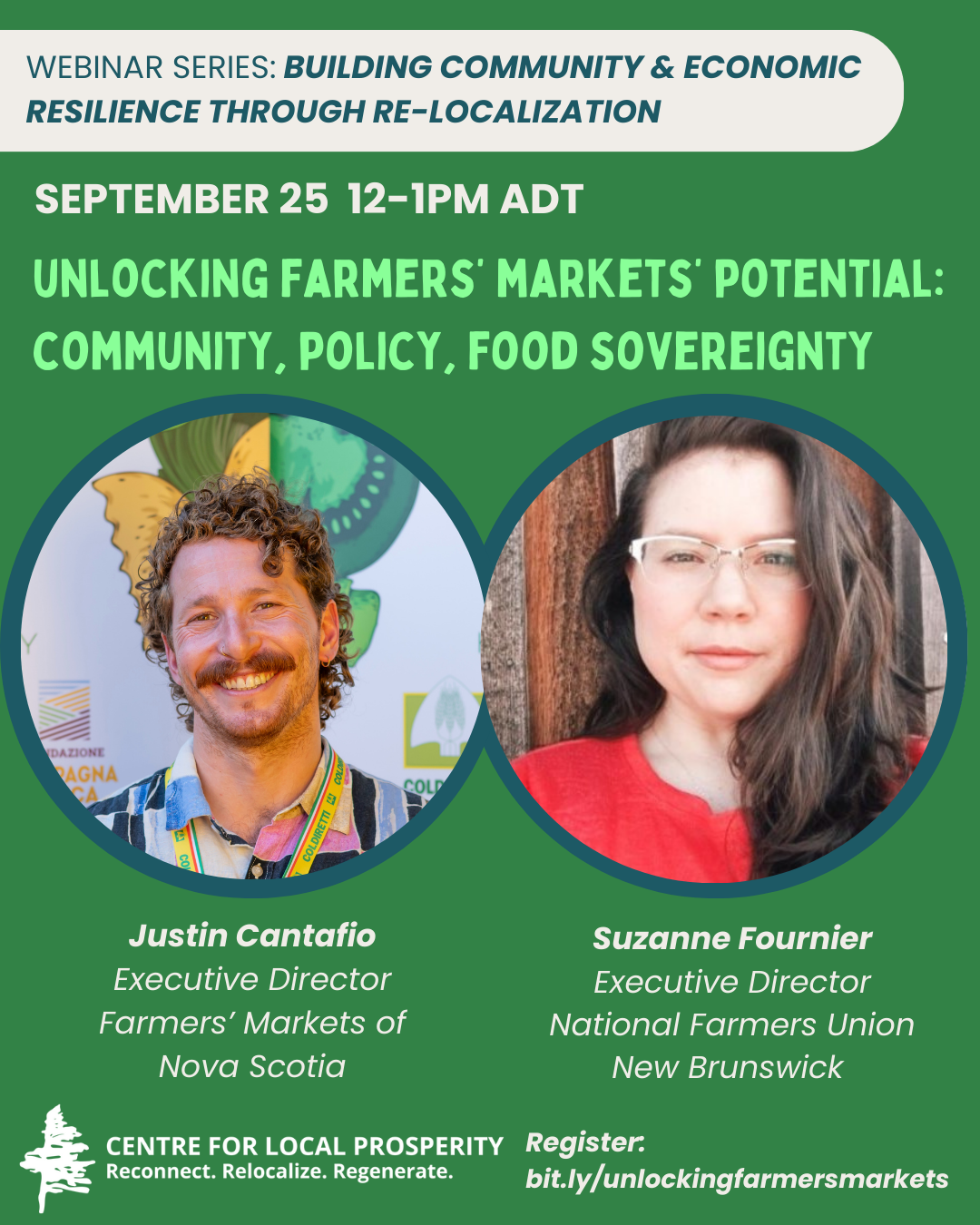
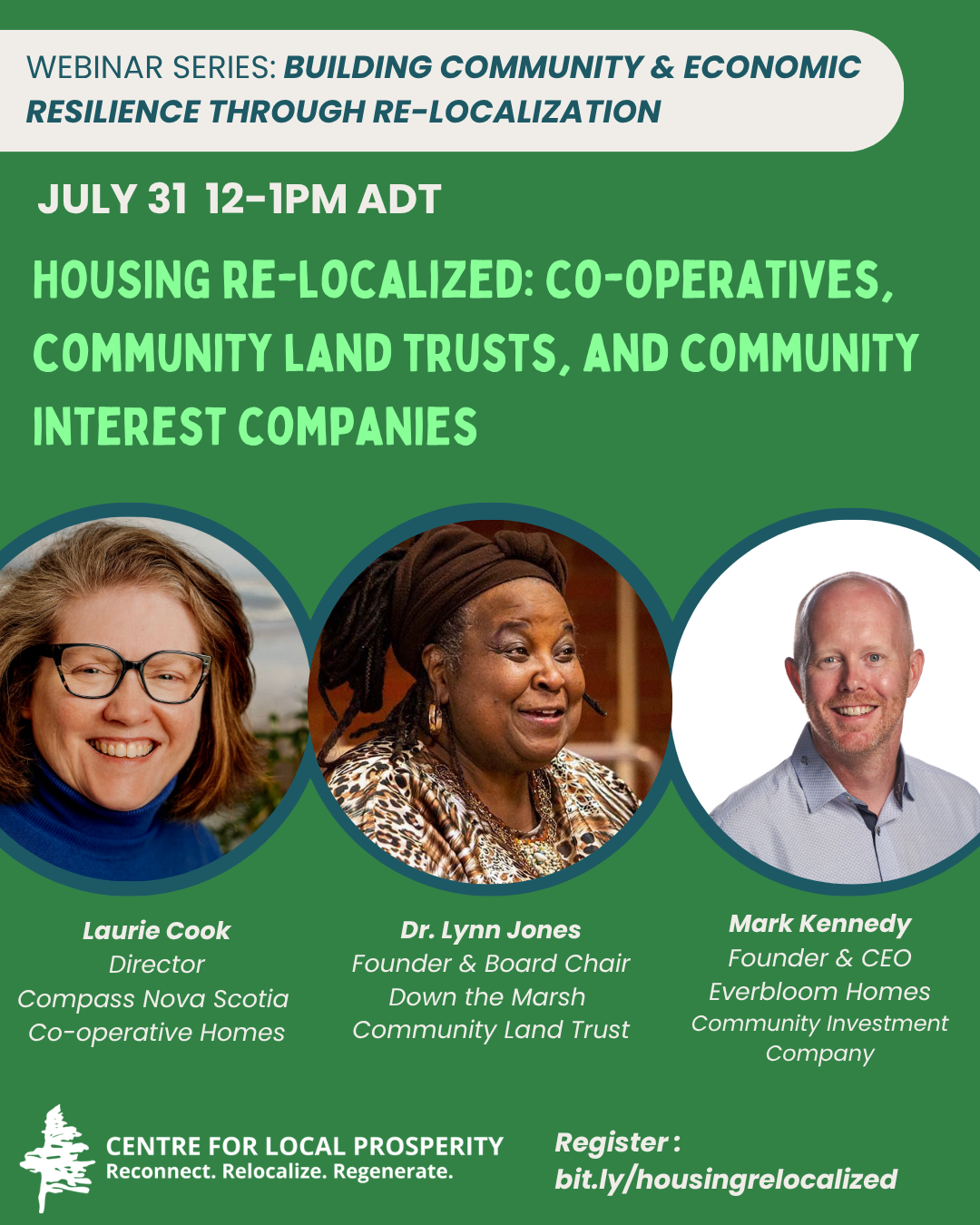
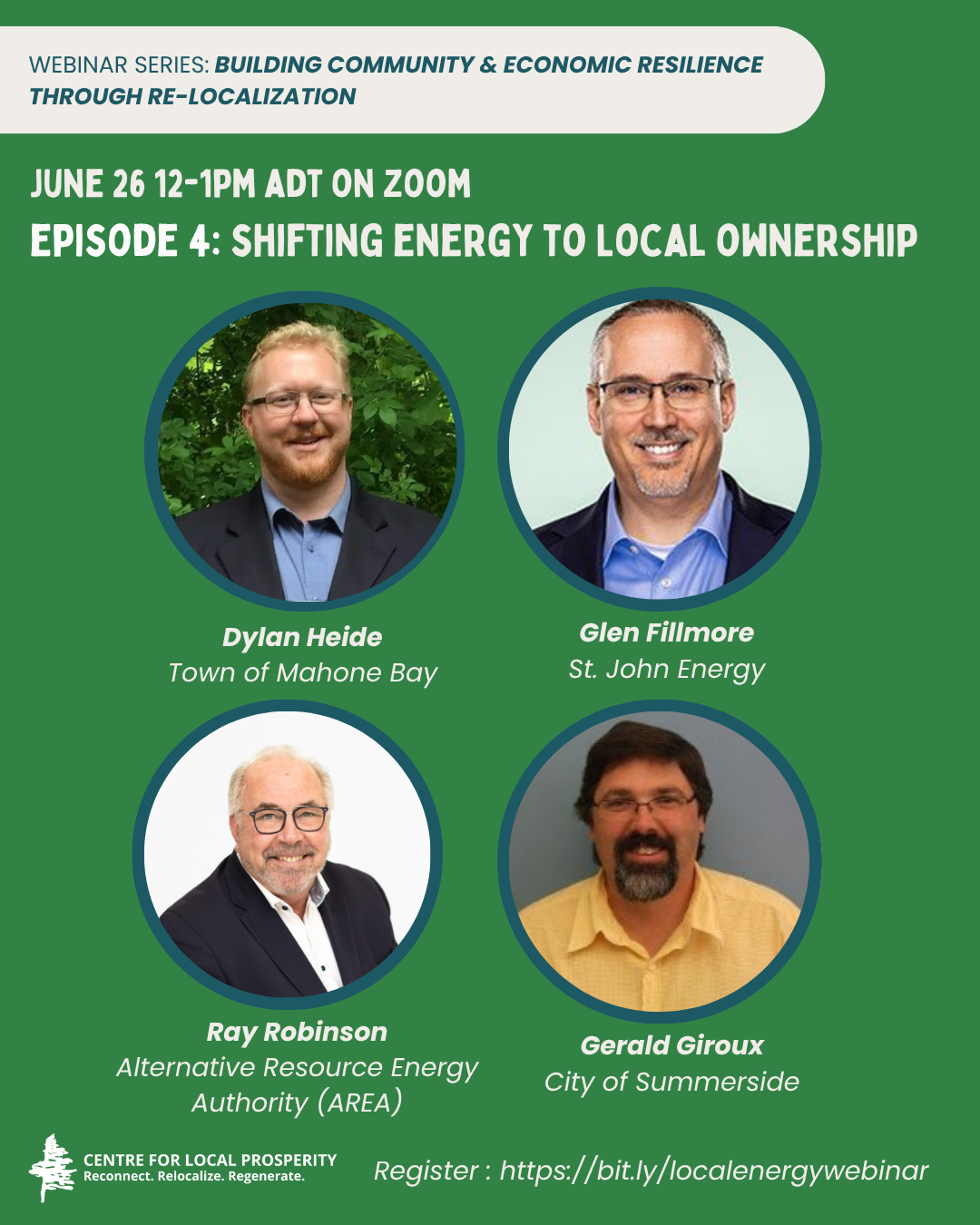
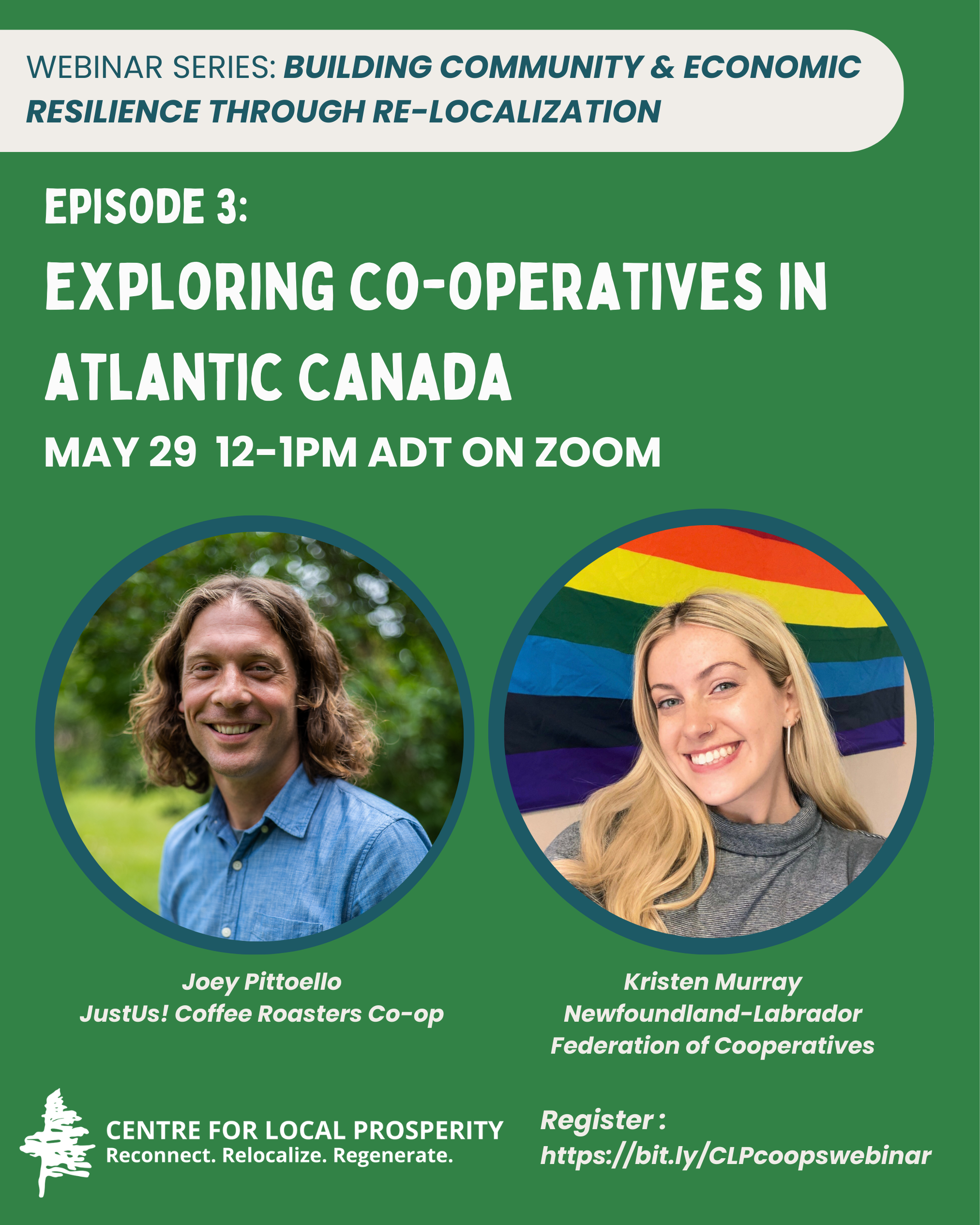
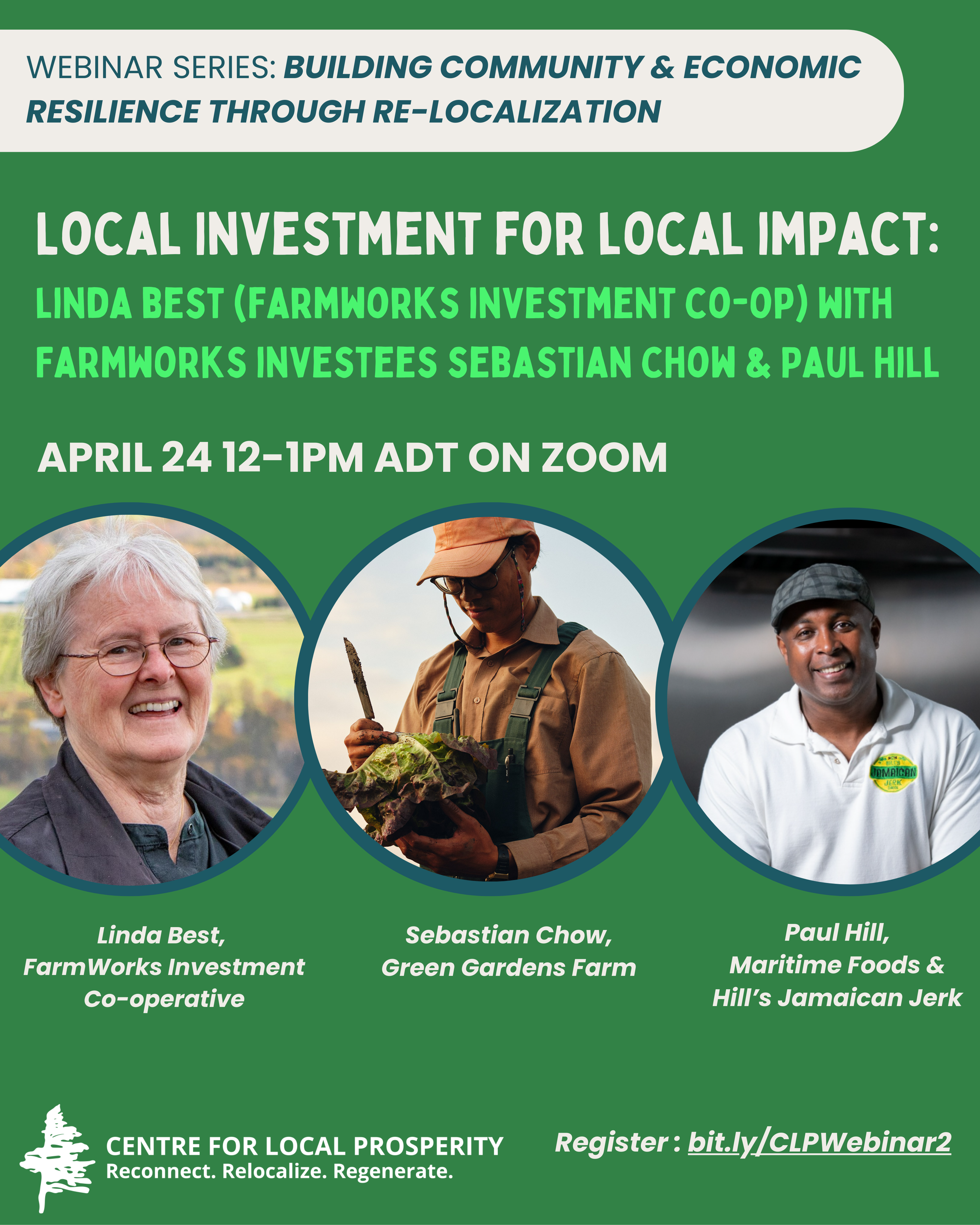
The world is changing at an unprecedented pace, leaving many individuals and communities with a sense of uncertainty, and in many cases, worry. How do we respond to this rapidly changing world? How do we strengthen our local agency and resilience, socially, economically, and ecologically? In our current context of trade partner volatility and imposed tariffs that threaten to worsen the financial realities within our communities, we want to shine a light on thriving examples of re-localization in our region!
Re-localization is a concept and movement with an aim to become more self-reliant in our production and consumption (while reducing reliance on distant supply chains) in every category — from energy, to food, to finance/investment, to climate solutions, and beyond.
The
Whether, you are part of an organization, a municipal councilor, or a concerned community member, these reports are an important part of your toolkit.
Practice Communicating about Important Issues: You might simple read these reports to practice speaking about issues important to you within your communities.escription for this block. You can use this space for describing your block.
Help in your grant writing: You may include the information and research in the grant proposals you are writing to support your initiatives. Maybe you are looking to make a case for how food security is connected to Indigenous sovereignty. Or perhaps you want the language to explain why alternative housing models can build community wealth in rural areas.
Support your letter writing: You could use key takeaways from the report to bolster your letter writing to your local representatives. Are you seeking to explain why transportation is a key factor in creating affordable communities, look to the living wage calculations from the Canadian Centre for Policy Alternatives. Or look for the African Nova Scotian Prosperity and Well-Being Index to reference a range of social and economic indicators for people of African descent in Nova Scotia.